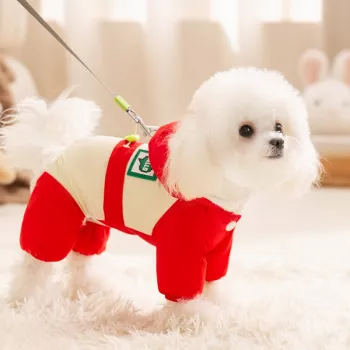
Winter Pet Coat: Warm, Waterproof Four-Legged Jacket with Drawstring
Cold, wet weather can quickly turn walks into shivers, muddy fur, and a reluctant pet. A four-legged winter jacket with a waterproof shell and adjustable drawstring helps keep warmth in, moisture out, and movement comfortable—especially for small breeds, short-haired pets, seniors, and dogs that spend time outdoors in rain or snow.
What Makes a Four-Legged Winter Jacket Different
A four-legged coat goes beyond the typical “back-and-belly” coverage by protecting more of the areas that get the coldest and dirtiest in winter weather.
- Full-body coverage: helps protect the chest, belly, and upper legs where slush and road spray collect.
- Warm inner layer: reduces heat loss during quick bathroom breaks and longer walks.
- Waterproof outer layer: shields against rain, wet snow, and damp wind.
- Drawstring adjustability: improves fit around the neck/hood area to block drafts.
- Cleaner coats: less mud and salt contact means easier cleanup after outings.
Key Features to Look For Before Buying
Not all “waterproof” pet jackets perform the same once you’re dealing with steady rain, slush, and windy sidewalks. These details make the biggest difference.
- Water resistance vs. waterproofing: fabric, seam quality, and closures determine how well the coat holds up in real weather.
- Leg design: sleeves should reduce splash-up while allowing free shoulder and hip movement without rubbing.
- Closure system: choose a secure closure that’s easy to fasten even if your pet is wiggly.
- Drawstring placement: should tighten comfortably without pressing the throat or affecting breathing.
- Lining comfort: soft lining helps prevent static, matting, and irritation for sensitive skin.
- Visibility: reflective details or bright colors help during early sunsets and gloomy winter days.
- Leash compatibility: confirm the coat works with collars or harnesses (via access points or a roomy fit).
Fit and Sizing: Getting Warmth Without Restricting Movement
A winter coat only works if your pet can move naturally. A too-tight coat can cause rubbing and frustration; a too-loose coat lets cold air funnel in and can twist around the legs.
- Measure neck, chest girth, and back length: chest girth is usually the most important number for coats.
- Aim for snug-but-comfortable: two fingers of space is a practical baseline for most pets.
- Confirm mobility: your dog should be able to sit, squat, and walk without sleeve bunching or shoulder pulling.
- Watch for rub points: check underarms, chest closures, and inner thigh areas—especially on longer walks.
- Layering note: if you’ll layer over a sweater, size accordingly to prevent tightness and overheating indoors.
Quick Fit Check Before Heading Outside
| Check |
What to Look For |
Fix If Needed |
| Neck/Drawstring |
Secure without pressing the throat; no gagging or coughing |
Loosen drawstring; reposition so it sits higher on the neck |
| Shoulders |
Front legs move freely; no pulling across chest |
Adjust size or choose a roomier cut |
| Belly coverage |
Belly stays covered while walking and sniffing |
Tighten/adjust closures; consider a longer body length |
| Leg sleeves |
No bunching at joints; no twisting |
Straighten sleeves; check for proper length and alignment |
| Bathroom comfort |
Pet can squat/raise leg without soiling the coat |
Recheck fit; consider different cut for anatomy |
Weather Scenarios Where This Jacket Helps Most
- Wet snow and slush: reduces soaked fur and the cold “chill factor” caused by dampness.
- Windy walks: drawstring and full coverage limit drafts across the chest and belly.
- Cold rain: a waterproof shell keeps the inner layer warmer for longer.
- Urban winter conditions: helps reduce contact with road salt residue on the belly and legs (still wipe paws after walks).
- Car-to-door transitions: quick warmth for short outings without complicated layering.
Daily Use Tips: Comfort, Safety, and Clean-Up
- Do a short indoor trial: let your pet walk around indoors for a few minutes so the sleeves and closures feel normal.
- Pair with a harness when needed: in slick conditions, a harness can reduce neck pressure and improve control. If you need a simple setup, consider the Adjustable Dog Collar and Puppy Harness Set.
- Avoid overheating: remove the jacket indoors if your pet pants, seems restless, or seeks cool floors.
- Post-walk wipe down: wipe belly and legs to remove salt or grit; let the jacket air dry fully before the next outing.
- Inspect after washing: check seams, closures, and drawstring integrity to maintain water protection.
For more cold-weather safety basics (including paw protection and exposure limits), see guidance from the American Veterinary Medical Association (AVMA) and the American Kennel Club (AKC).
When a Four-Legged Coat May Not Be the Best Choice
- Warm inner layer paired with waterproof outer protection for cold-weather comfort.
- Four-legged coverage helps keep belly and legs cleaner in wet conditions.
- Drawstring adjustability supports a closer fit and helps reduce drafts.
- Useful for rainy walks, snow days, and windy commutes—especially for smaller or short-haired pets.
- Available now while in stock: Winter Pet Coat Warm Waterproof Four-Legged Jacket with Drawstring.
FAQ
How tight should the drawstring be on a pet winter coat?
It should be snug enough to block drafts but loose enough to fit two fingers underneath. Make sure it doesn’t press on the throat or change your pet’s breathing.
Can a four-legged waterproof jacket be worn with a harness?
Yes, as long as the coat allows room for a harness underneath or has an access point for leash attachment. Test it indoors first to confirm the shoulders move freely and nothing rubs.
How do you clean a waterproof pet jacket after snow and road salt?
Wipe it down after each walk, rinse off salt residue when needed, and let it air dry completely before storing. Follow the care label to help preserve the water-resistant finish and the integrity of seams and closures.
Recommended for you










Leave a comment