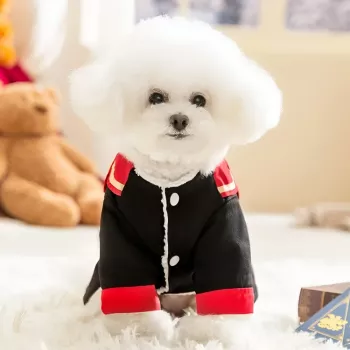
A warm cotton uniform-style dress can add a cozy layer for cool walks while keeping movement easy for small and medium pets. The right outfit should feel soft, stay put without pinching, and let your dog sit, stride, and sniff normally. Below is a practical guide to comfort, fit, care, and when a skirted look makes sense—plus a quick checklist to help prevent common problems like rubbing, slipping, or restricted shoulders.
Uniform-inspired dog dresses aren’t only for photos; they can be a genuinely useful light layer on mild-to-chilly days. A cotton-forward feel tends to be gentler against the coat than stiff fabrics, and a skirt can add a touch of extra coverage without turning the outfit into bulky outerwear.
If you’re shopping for a tidy, easy-to-style option, see the Dog Uniform Dress Warm Cotton Skirt for Small & Medium Pets for a polished everyday look.
Cotton layers can take the edge off cool temperatures without the stiffness of heavy coats. Comfort comes down to breathability and friction control: even soft fabric can irritate if it’s tight in the wrong place or if seams rub with every step.
| Check | What to look for | Fix if needed |
|---|---|---|
| Neckline | Two fingers fit comfortably; no gagging or hair flattening | Loosen/resize; choose a lower, softer neckline |
| Chest & shoulders | Front legs swing freely; no pulling across the chest | Size up or choose a cut with more shoulder room |
| Back length | Covers back without riding up; doesn’t bunch at tail base | Adjust size; reposition; consider a shorter back length |
| Skirt area | Doesn’t snag on thighs; pet can sit easily | Ensure correct length; avoid overly long skirt hem |
| Overheating signs | Excessive panting, restlessness, warm ears | Remove garment; shorten outing; switch to lighter layer |
For broader cold-weather safety reminders (including time limits outdoors), the ASPCA’s cold weather safety tips are a helpful reference.
Fit is what turns a cute outfit into a wearable one. For most dogs, chest girth is the measurement that makes or breaks comfort—especially for breeds with a rounder ribcage or fluffier coat.
Even a well-made dress can become “hard to wear” if getting it on feels stressful. A calm routine helps your dog associate clothing with comfort rather than wrestling.
Cotton stays nicest when it’s washed gently and dried with care. Regular maintenance also helps reduce odors that can make some dogs hesitant to wear clothing again.
If you need flexible walking gear that can adjust over clothing, consider the Adjustable Dog Collar and Puppy Harness Set. For measurement guidance, the American Kennel Club’s harness measuring tips can help you confirm a safer fit.
Measure chest girth at the widest point behind the front legs, back length from the base of the neck to the base of the tail, and neck circumference where a collar sits. Chest is usually the most important measurement for comfort. If your dog is between sizes, size up and do a quick indoor mobility test (walk, sit, lie down).
Cotton dresses typically add light-to-moderate warmth for cool days, not deep cold. In colder temperatures, limit outdoor time and watch for shivering or stiffness. For wet or truly cold conditions, use a heavier, weather-appropriate outer layer instead of cotton.
Yes, usually—just fit the harness with the dress on to ensure straps aren’t too tight and fabric isn’t bunched. The chest and shoulder area should stay free so your dog can take full strides. Reposition the dress if the skirt or bodice twists under leash pressure.










Leave a comment