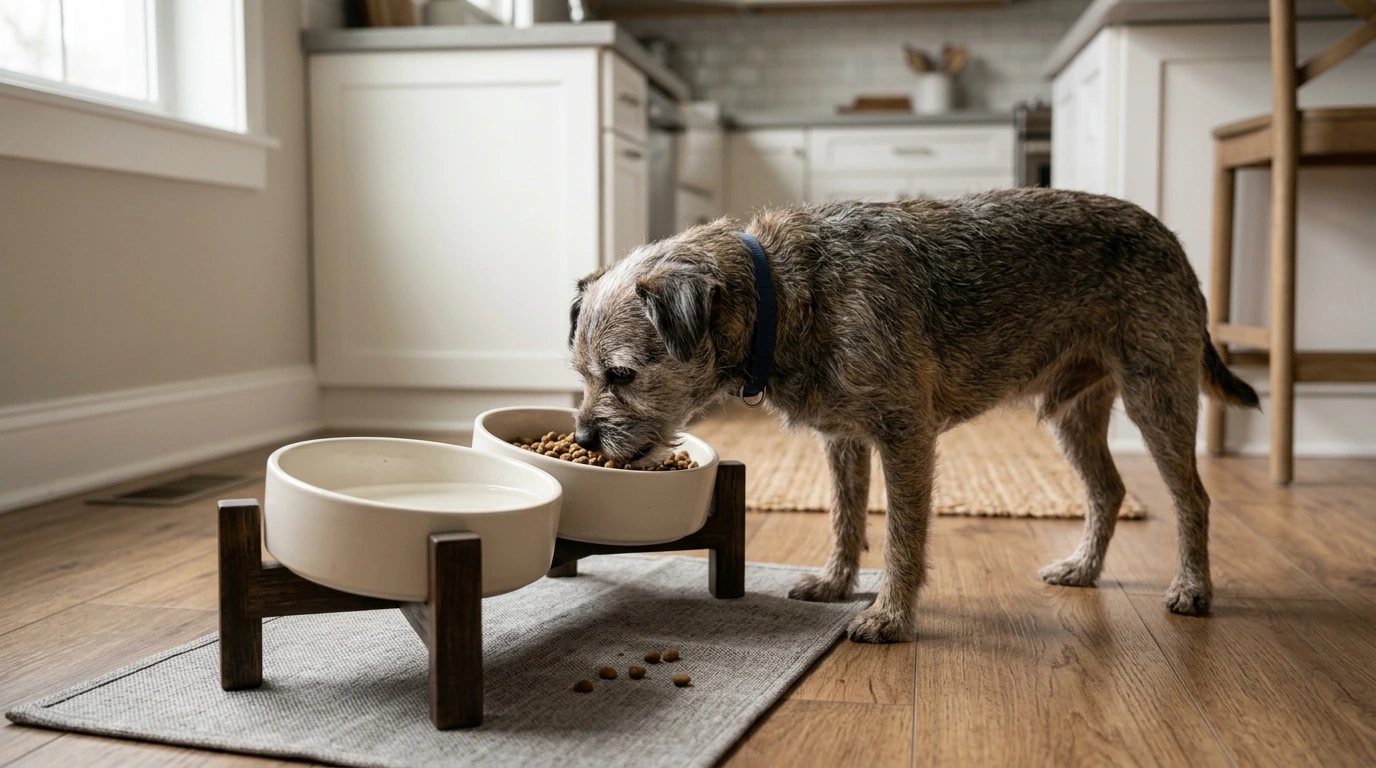
Messy feeding spots can turn every meal into a cleanup job. A raised stand paired with slanted, anti-spill ceramic bowls helps keep kibble and water where they belong while giving pets a more comfortable eating angle—especially for small pets, seniors, and enthusiastic eaters.
A feeding station that combines elevation with a slanted bowl shape is designed to solve two common annoyances at once: awkward eating posture and runaway mess. The stand lifts the bowls off the floor so many pets don’t have to hunch down as far, while the angled interior helps keep food and water gathered where the pet can reach it.
Not every pet needs an elevated setup, but many owners notice calmer, less frantic mealtimes when the bowl stops sliding and the eating angle feels natural. The goal is a relaxed stance and an easy reach—no stretching up, no crunching down.
For households that want a tidy, consistent feeding station, the Elevated Ceramic Pet Bowl Stand with Slanted Anti-Spill Bowls creates a simple “set it and keep it there” spot for daily meals and water refills.
Spills usually come from a few repeat offenders: enthusiastic drinking, bowl chasing, and lightweight dishes that tip when bumped. A well-designed station reduces those triggers through shape, weight, and stability.
| Feature | What it helps with | Best for |
|---|---|---|
| Elevated stand | Less bending, keeps bowls in place | Small pets, seniors, daily routines |
| Slanted bowl interior | Easier access to food, fewer nose-push spills | Picky eaters, pets that leave food at the bottom |
| Ceramic bowl material | Stability, reduced odor retention, easy cleaning | Households prioritizing hygiene and durability |
| Anti-spill shape/height | Less splashing and scatter | Fast drinkers, energetic eaters |
The “right” bowl isn’t only about capacity—it’s about how comfortably your pet can approach the dish. For cats, whisker comfort matters. For dogs, the goal is a bowl that fits the portion without inviting overflow when water is topped off.
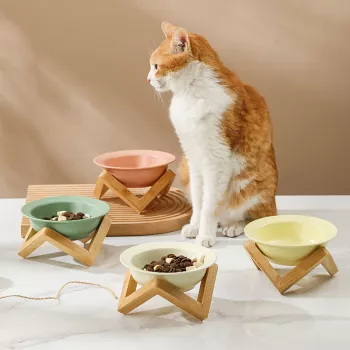
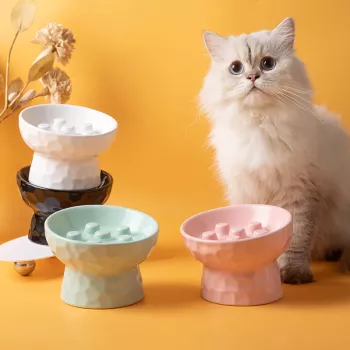
If your cat prefers a dedicated station sized specifically for feline comfort, the Elevated Ceramic Cat Bowl is a helpful option for keeping food at an easy angle while supporting a cleaner feeding area.
For additional guidance on safe pet food handling and hygiene, review the FDA’s recommendations here: Tips for Safe Handling of Pet Food and Treats. General bowl-cleanliness reminders are also summarized by the ASPCA: Keeping Your Pet’s Food and Water Bowls Clean.
A simple feeding station can make a noticeable difference in day-to-day cleanup. The Elevated Ceramic Pet Bowl Stand with Slanted Anti-Spill Bowls pairs a raised stand with ceramic bowls designed to sit securely and help reduce spills.
For general nutrition context (especially when adjusting portions alongside a new feeding routine), see the Merck Veterinary Manual overview: Feeding and Nutritional Requirements of Dogs.
Generally, yes—when the height suits the pet’s size and the station is stable and difficult to tip. If your pet has a diagnosed condition that affects swallowing, digestion, or posture, follow your veterinarian’s guidance on bowl type and feeding position.
They can help by encouraging food and water to stay pooled on the accessible side, so pets are less likely to push the bowl or “chase” the last bites around the rim. No bowl is completely spill-proof for every pet, but slanting and added stability often reduce everyday mess.
Many households do best with daily washing, especially for wet food, plus frequent rinsing and refreshing of water bowls. Replace ceramic bowls if they become chipped or cracked to avoid sharp edges and keep the surface easy to sanitize.










Leave a comment