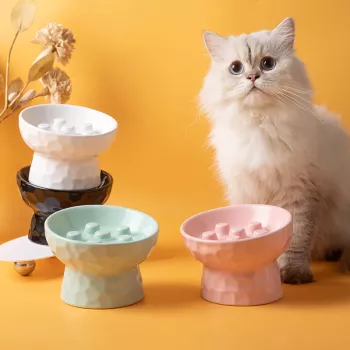
An elevated slow feeder bowl can make mealtimes calmer and more comfortable, especially for pets that gulp food or strain their neck while eating. This ceramic design combines a raised feeding angle, a slow-feeding surface, and an anti-slip base to support steadier, less stressful meals. For many households, it’s a simple upgrade that can mean fewer messes, fewer “vacuum-style” bites, and a more relaxed posture at the bowl.
Standard bowls are often too low and too easy to slide, which can encourage fast eating and awkward posture. An elevated slow feeder changes the experience in a few practical ways:
When a bowl is designed for pace and posture, the day-to-day difference shows up quickly: less chasing, less scarfing, and a calmer eating rhythm.
If you’re ready to switch to an elevated slow-feeding setup, the Ceramic Elevated Slow Feeder Pet Bowl with Anti-Slip & Neck Protection is a straightforward option that combines weight, grip, and a structured eating surface in one bowl.
Not every pet needs a slow feeder, but certain eating styles and comfort needs make it a great match.
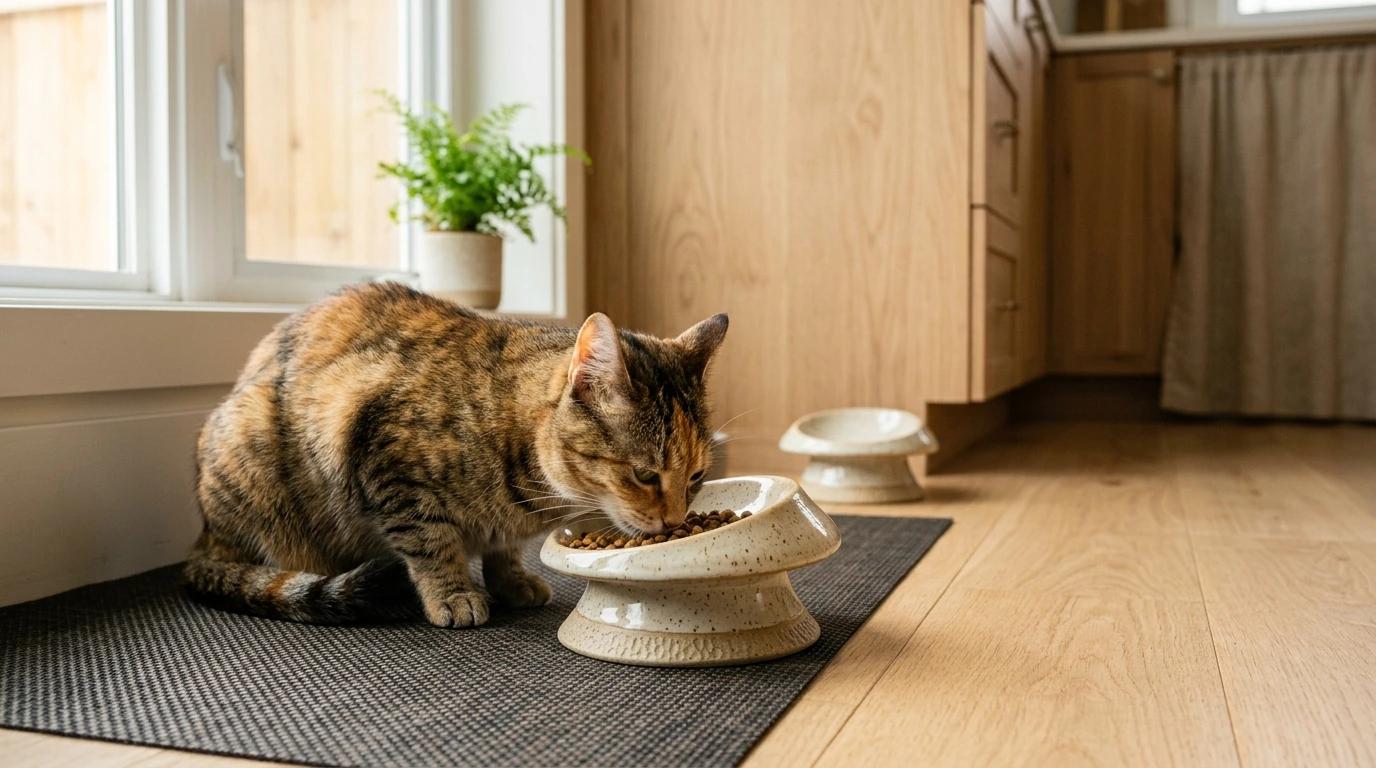
For cats in particular, some households prefer a simpler raised dish without grooves for certain meals. If that sounds like your feeding routine, consider pairing a slow feeder with a dedicated everyday dish like the Elevated Ceramic Cat Bowl (for example, using the slow feeder for kibble and the smooth bowl for wetter meals when you want faster cleanup).
Getting the benefits of an elevated slow feeder comes down to fit and feeding habits. A few small adjustments can make a big difference in comfort and effectiveness.
| Feeding need | What to look for | Helpful tip |
|---|---|---|
| Gulping kibble | Pronounced slow-feeder grooves | Serve measured portions; avoid filling grooves to the top |
| Messy eater | Raised sides + stable base | Place on a washable mat for easy cleanup |
| Neck strain from bending | Elevated angle/neck-friendly posture | Aim for a relaxed neck line while eating |
| Bowl sliding on floors | Anti-slip base + heavier material | Wipe the base and floor dry for better grip |
Ceramic is generally easy to maintain, but slow-feeder patterns do best with quick cleanup so food doesn’t dry into the grooves.
For additional background on serious stomach emergencies like gastric dilatation-volvulus (GDV), review guidance from the AVMA, the AKC, or Cornell University College of Veterinary Medicine. Slower eating can be helpful for some pets, but safety still depends on sensible portions, calm routines, and veterinary advice for higher-risk dogs.
If your pet finishes meals and immediately looks for entertainment (or tries to steal another pet’s food), a post-meal activity can help redirect that energy. The Interactive Folding Cat Tunnel is an easy way to add enrichment and movement after feeding time—especially for indoor cats that benefit from more stimulation between naps.
It works well for many pets, especially fast eaters or those that seem more comfortable with less bending. The best fit depends on size, posture, and any medical conditions, so it’s smart to check with a veterinarian for pets with diagnosed orthopedic or swallowing issues.
Slower eating may reduce gulping and air intake for some pets, but it isn’t a guarantee and shouldn’t be treated as prevention on its own. Pair it with portion control, a calmer feeding environment, and veterinary guidance for breeds at higher risk.
Rinse soon after meals, soak briefly if needed, and use a soft brush to reach the ridges. Avoid abrasive scouring pads that can dull the finish or create tiny scratches where residue can cling.









Leave a comment